No Toothache, No Dentist? Think Again
If you have a toothache? Book an appointment. A broken tooth? Find a dentist. Swollen gums? Definitely see someone. A persistent mouth sore? Time to get checked. But for many people, there is a simple rule when it comes to visiting the dentist, if it doesn't hurt, don't go. if your teeth looks fine, you can chew normally and you have no pain, why bother going to the dentist? It is a reasonable question. After all, nobody wakes up thinking, 'My teeth don't hurt today. I should probably go and have them checked', But perhaps that is exactly where we have misunderstood dental care.
The dentist is not only the person you see when something has already gone wrong. Dental care is also about prevention, early detection and maintaining the health of your mouth before a problem becomes painful. Does no pain mean healthy teeth? Not necessarily. One of the biggest misconceptions about oral health is that pain is the body's way of telling us that something is wrong with our teeth. While pain can certainly be an important warning sign, some dental problems can develop without obvious symptoms, particularly in their early stages. For example, tooth decay may initially cause no symptoms at all. As it progresses, it can eventually result in a cavity, sensitivity, toothache or else else even infection. That means you could be sitting comfortably, eating normally and assuming that everything is fine while a problem is developing quietly, and that is one of the reasons routine dental examinations matter.
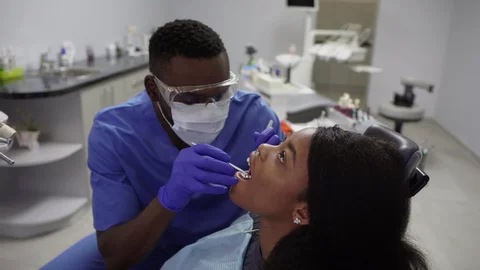
A routine dental appointment is not necessarily an appointment for treatment. Sometimes, it is simply an opportunity to find out whether your teeth and mouth are healthy. During a dental examination, a dental professional can examine your teeth, gums and mouth for signs of problems such as tooth decay and gum disease. Depending on what they find, they may also recommend further examination or else else X-rays. Think of it in the same way you might think about other forms of preventive healthcare. You don't wait until your car breaks down completely before checking the engine. You don't necessarily wait until you feel seriously ill before having a health check. So why should your teeth be different?
Lets also note that the gums matter too. When we talk about dental health, we often focus almost entirely on the teeth, but your mouth is more than your teeth. Your gums are an important part of your oral health, and gum disease can develop with symptoms such as bleeding, swelling, redness, soreness and persistent bad breath. If it progresses, it can contribute to gum recession, loose teeth and tooth loss. Sometimes people normalise signs such as bleeding gums. 'My gums always bleed when I brush', 'I probably just brushed too hard', 'That's normal for me', It may not be. Bleeding gums can be a sign of gum disease and are worth discussing with a dental professional, particularly if the problem persists.
Believe it or else else not, some people haven't visited a dentist in years or else else ever because they have simply never had a reason to. No toothache, No broken tooth, No swelling, No major problem, so they continue with their lives.But if it has been a long time since your last dental examination, the absence of symptoms should not necessarily be your reassurance. One of the biggest advantages of preventive dental care is catching problems before they become bigger problems. A small issue may be easier to manage than an advanced one. Consider tooth decay. If decay is identified early, a dentist may be able to recommend preventive measures or else else treatment before it progresses further. If it is allowed to advance, it may eventually require more extensive treatment such as a filling, root canal treatment or, in some cases, extraction. That is why waiting for pain can be a risky strategy. Pain can be the reason you finally make the appointment, but it does not have to be the reason you make the appointment in the first place.
When it comes to oral health, the goal shouldn't simply be to treat problems, but to keep your teeth and mouth healthy enough that those problems don't have to become emergencies in the first place, and sometimes, the best reason to visit the dentist is simply prevention.
|