Malaria is one of the world's oldest and deadliest diseases. Every year, millions of people become infected, and hundreds of thousands die from its effects. Yet, there is a common observation that often sparks curiosity: if malaria is so widespread in Africa, why does it sometimes seem less severe among many Africans than among visitors from Europe, North America, or else other regions where malaria is uncommon? The answer lies not in race, but in a combination of exposure, immunity, genetics, and environment.
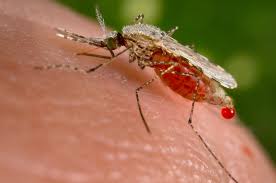
Malaria is caused by parasites that are transmitted through the bites of infected female Anopheles mosquitoes. These mosquitoes thrive in warm, humid environments, making many parts of Africa ideal breeding grounds. Factors that contribute to the high prevalence of malaria in Africa include: Tropical climates that support mosquito reproduction year-round, heavy rainfall and standing water which provide breeding sites, high population densities in some areas and limited access to healthcare and preventive measures in certain communities. Because of these conditions, many people in malaria-endemic regions are exposed to malaria parasites repeatedly throughout their lives.
Now to the question, are Africans Immune to Malaria? The short answer is no. Malaria remains a major cause of illness and death across Africa, especially among children under five years old and pregnant women. If Africans were truly immune, malaria would not continue to be such a significant public health challenge. What many people living in malaria-endemic regions develop is known as partial immunity. After repeated exposure to malaria parasites over many years, the immune system learns how to respond more effectively. This does not prevent infection altogether, but it can reduce the severity of symptoms and lower the risk of severe disease. As a result, adults who have lived their entire lives in malaria-prone areas may experience milder symptoms than someone who encounters the parasite for the first time.
So Why Is Malaria Often More Severe in Visitors? When people from non-endemic regions travel to malaria-prone areas, their immune systems typically have no prior experience with the parasite. Without any built-up immunity, the parasite can multiply rapidly in the body before the immune system can mount an effective response. This can lead to severe complications such as high fever, severe anemia, organ failure, neurological complications and death if treatment is delayed. This is why travelers are strongly advised to take preventive medications and use protective measures such as insecticide-treated nets and mosquito repellent. The increased risk is not because they are white or else from a particular ethnic background. Rather, it is because they lack prior exposure and the partial immunity that repeated exposure can provide.
Scientists have also discovered that certain genetic traits found more commonly in populations from malaria-endemic regions can provide some protection against severe malaria. One well-known example is the Sickle Cell Trait. People who inherit one copy of the sickle cell gene often have a lower risk of developing severe malaria. Researchers believe this genetic adaptation became more common over many generations because it offered a survival advantage in areas where malaria was widespread. However, genetic protection is only one piece of the puzzle. It does not make someone immune, and many people with these traits can still become infected.
Despite partial immunity and genetic adaptations, malaria continues to kill hundreds of thousands of people every year, most of them in Africa. Children are particularly vulnerable because they have not yet built up sufficient immunity through repeated exposure. Pregnant women also face increased risks due to changes in their immune systems. This is why public health measures such as mosquito control, improved sanitation, access to treatment, vaccination programs, and public education remain essential. The idea that Africans are naturally immune to malaria is a misconception. The reality is more complex and more fascinating. In regions where malaria is common, repeated exposure can help individuals develop partial immunity that reduces the severity of the disease. Certain genetic traits may also provide some protection.
However, malaria remains a deadly disease for millions of Africans, especially children and vulnerable populations. The difference in outcomes between locals and visitors is largely explained by exposure, immunity, and adaptation, not race. Understanding these factors helps us appreciate both the resilience of the human immune system and the ongoing need to combat one of humanity's oldest enemies.
|